

In recent years, the production philosophyof rigid PVC foam furniture board has changed significantly.
Driven by advances in extrusion equipment, higher-performance foam regulators, and increasing cost pressure,the industry has gradually shifted from a processing system focused on fullfusion and balanced mechanical performance toward one based on delayedfusion, controlled foaming, and cost efficiency.
01 From Full Fusion to Delayed Fusion
In earlier furniture-board formulations,the PVC-to-calcium-carbonate ratio was typically around 1:1 to 1:1.2,while high-density oxidized polyethylene wax was commonly used at 0.35–0.45phr.
At that time, the processing philosophyplaced greater emphasis on achieving sufficient and uniform PVC fusion.
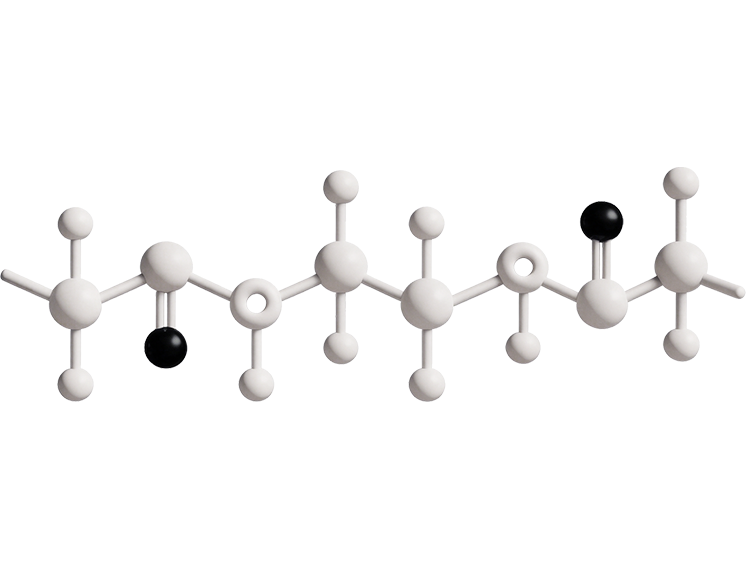
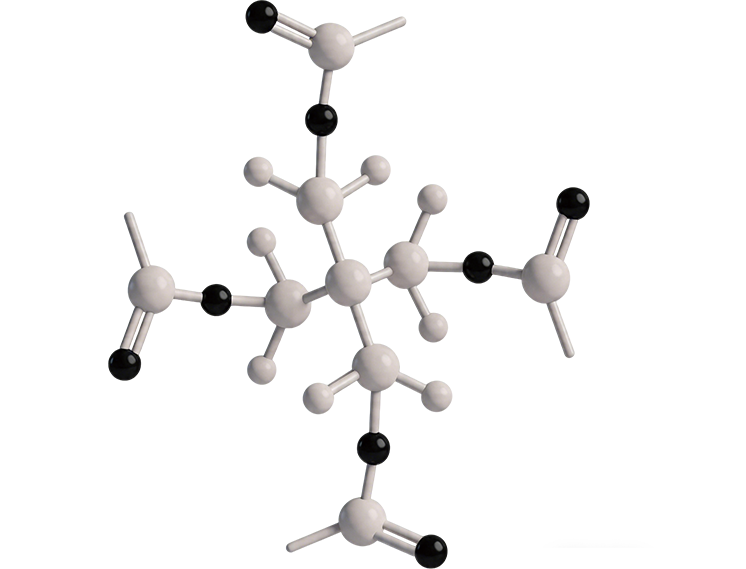
Oxidized polyethylene wax helped regulatethe balance between fusion and lubrication while providing sustained externallubrication and release performance during the later stages of processing. Thiscontributed to stable foaming, good surface quality, cleaner dies, and longercontinuous production runs.
As screw design and extrusion efficiencyimproved, manufacturers began intentionally shifting the main PVC fusion stagetoward the middle and later sections of the extruder.
In some current furniture-board processes,the first barrel zone may receive no active heating, while the second zone maybe set at only 80–90°C.
This does not mean that the materialremains at a low temperature throughout the extruder. Mechanical energygenerated by conveying, compression, and shear continues to raise the actualmaterial temperature.
The real change is therefore:
Less external heat is introduced at thefront end, delaying premature PVC fusion and shifting melt development furtherdownstream.
02 A Simpler Lubrication System
Asthe target degree of fusion changed, the dosage of oxidized polyethylene waxalso decreased from the traditional 0.35–0.45 phr to approximately 0.15–0.20phr in some current formulations.
Atthe same time, the selection criteria for other lubricants have become lessdemanding.
Earlierformulations often relied on higher-quality, high-melting PE waxes and complexester lubricants to achieve a carefully controlled balance between fusion andlubrication.
Insome cost-driven furniture-board formulations today, conventional PE waxes andeven stearic acid may be sufficient to meet basic processing requirements.
Theformulation objective has therefore gradually shifted from:
“Achievingmore complete and uniform PVC fusion”
to:
“Maintainingstable extrusion and foaming at the lowest practical formulation cost.”
03 High-Viscosity Foam Regulators Compensate for Melt Strength
With reduced lubricant levels and lowerfront-zone temperatures, the degree of PVC fusion is often lower than intraditional processing systems.
One of the main reasons this approach ispossible is the continued development of higher-performance foam regulators.
Earlier generations of foam regulatorscommonly had viscosity numbers of around 8–9, while many currenthigh-viscosity grades have reached 15–16, with further developmenttoward even higher levels.
Higher-molecular-weight acrylic foamregulators can significantly improve melt strength and cell stability,allowing PVC to maintain stable foaming and achieve lower density even at arelatively lower degree of fusion.
However, two concepts should be clearlydistinguished:
Melt strength can be compensated by afoam regulator, but complete PVC fusion cannot be fully replaced.
As a result, modern low-fusion systems can stillachieve the required density and basic cell structure, while mechanicalproperties such as bending strength, impact resistance, and screw-holdingperformance may not reach the same level as those of more fully fusedtraditional systems.
04 Lower Cost Is Essentially a Performance Trade-Off
A significant portion of today’sfurniture-board market is highly cost-sensitive.
For many of these applications, customersfocus primarily on:
Color, surface quality, density, andprice.
When higher mechanical performance is not akey purchasing requirement, manufacturers naturally reduce unnecessaryperformance margins within the formulation.
At the same time, lower front-end heatinput and delayed PVC fusion can reduce the required margin for medium- andlong-term thermal stability. Stabilizer selection can therefore place greateremphasis on initial whiteness, color control during foaming, and cost.
The reduction in furniture-board productioncost is therefore not the result of a single cheaper raw material.
It reflects the combined optimization of:
Extrusion equipment, lubricationsystems, foam regulators, and stabilizers.
The trade-off is a lower overall degree offusion and, in some cases, reduced mechanical performance.
05 Less Oxidized Wax Does Not Mean Less Importance
This is one of the most easilymisunderstood changes in modern furniture-board formulations.
Although the dosage of oxidizedpolyethylene wax has fallen from around 0.4 phr to approximately 0.15–0.20phr, the performance requirements placed on the wax have actually becomemore concentrated.
Even at these lower addition levels, itmust continue to balance:
Fusion control, external lubrication,release performance, deposit reduction, die cleanliness, and board surfacegloss.
In a delayed-fusion system, the oxidizedwax must not promote excessive early fusion, yet it still needs to establisheffective lubrication and metal-release performance at the appropriate stage ofprocessing.
The role of oxidized polyethylene wax istherefore changing from:
“Achieving stable performance throughsufficient dosage”
to:
“Precisely controlling the processingwindow at a much lower dosage.”
For this reason, oxidized polyethylene waxshould not be evaluated solely by individual parameters such as acid value,melt viscosity, or softening point.
Its true performance should be assessedthrough its combined influence on PVC fusion, release behavior, deposits,surface quality, and long-term processing stability.
Conclusion
The evolution of rigid PVC foamfurniture-board processing is fundamentally a new balance between performanceand cost.
More efficient extrusion equipment andhigher-melt-strength foam regulators allow manufacturers to reduce front-endfusion, simplify lubrication systems, and further lower production costs.
This processing route does not necessarilydeliver higher material performance, but it is well suited to markets wherecost, density, and appearance are the primary requirements.
For additive manufacturers, the technicalchallenge has therefore also changed:
The objective is no longer simply to usemore additives, but to achieve more stable and precise processing control atlower dosage levels within an increasingly narrow processing window.