

Transparent calendered PVC products, suchas clear strip curtains, flexible transparent sheets and soft calendered films,place particularly high demands on lubricant systems.
These products require stable roll releaseand smooth calendering during processing, while also maintaining transparency,gloss and a clean surface over time. Compared with flexible PVC applicationswhere transparency is less critical, even minor lubricant migration, oilyexudation or blooming can become immediately visible on transparent products.
Because flexible PVC formulations normallycontain relatively high levels of plasticizer, lubricant compatibility andmigration behavior also become more important. During processing, sufficientlubrication is needed to prevent sticking to rolls. After processing, however,the lubricant should remain as stable as possible rather than continuing tomigrate toward the product surface.
The real challenge is therefore not simplyto increase lubrication, but to balance roll release during processing withlong-term surface stability after processing.
Why Is EBS Commonly Used — and Where DoIts Limitations Appear?
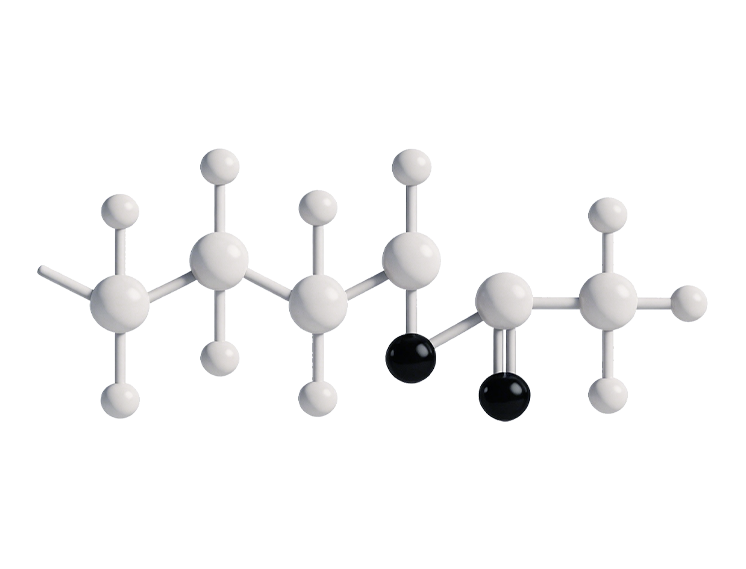
Ethylene Bis Stearamide (EBS) is awell-established plastics additive. In flexible PVC calendering, it is commonlyused to improve lubrication, anti-sticking and roll release, while alsoproviding good pigment and filler dispersion.
Its lubricating effect is closely relatedto interfacial activity. During processing, part of the EBS can become enrichedat polymer/metal or polymer/air interfaces, reducing friction and adhesion.This migration is not inherently undesirable; it is part of the mechanism bywhich EBS provides lubrication and anti-sticking performance.
The limitation appears when migrationcontinues beyond what is required for processing.
EBS is a relatively low-molecular-weightamide additive and has a finite compatibility range in PVC. At higher dosagelevels, or after extended storage and temperature changes, EBS may continue todiffuse toward the product surface.
When this surface enrichment exceeds thestable capacity of the system, it may appear as oily exudation, blooming,tackiness or visible deposits, and may also interfere with printing,lamination or other surface treatments.
These effects are particularly sensitive inclear strip curtains, transparent sheets and high-clarity calendered films,where even slight surface deposits can affect clarity, gloss and surface feel.
For this reason, EBS dosage in theseapplications often requires careful control: sufficient to maintain rollrelease, but not simply increased in order to obtain stronger lubrication.
A Different Approach with Low-Viscosity High-Density OPE Wax
The difference between high-densityoxidized polyethylene wax and EBS is not simply a matter of stronger or weakerlubrication.
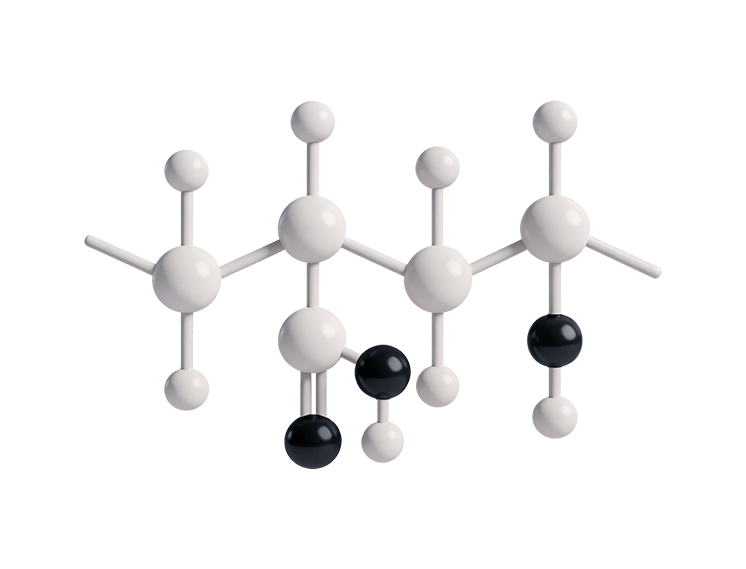
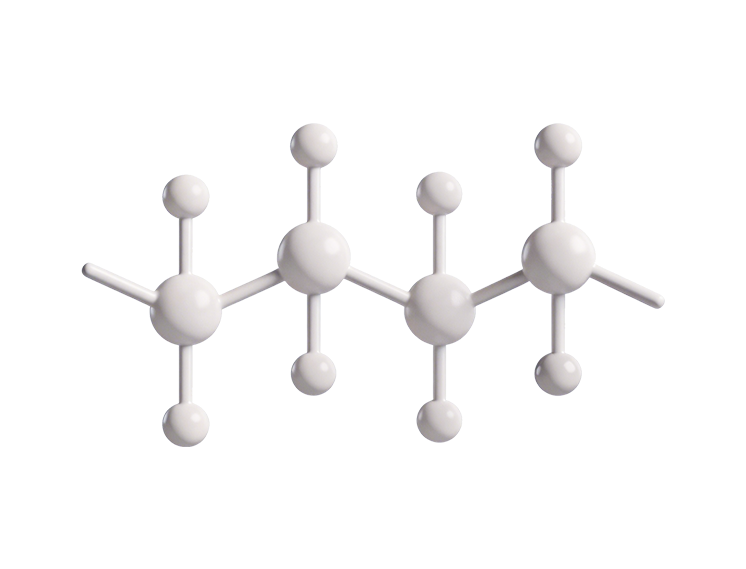
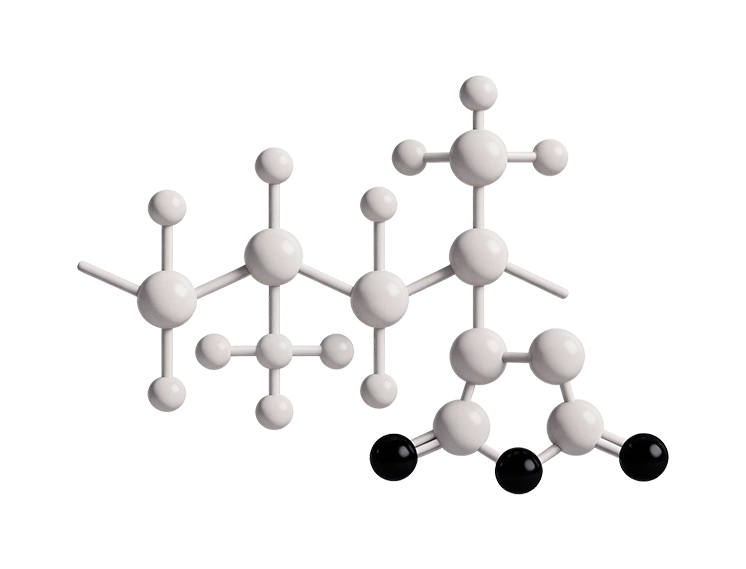
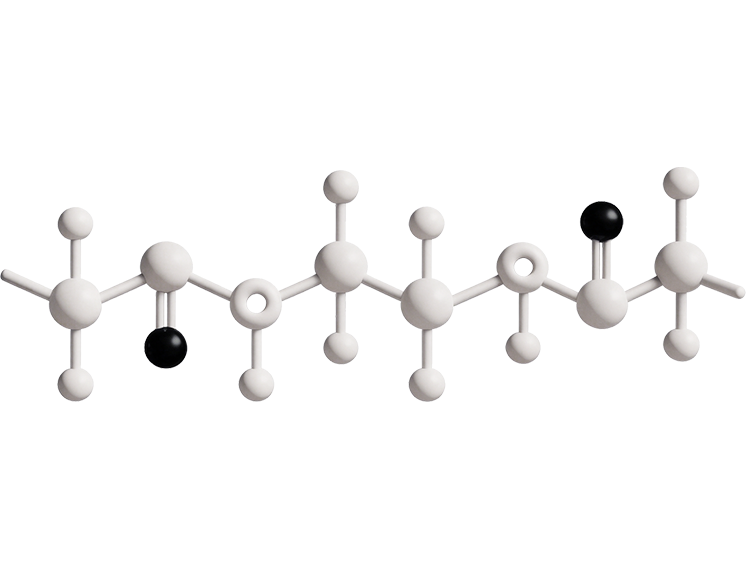
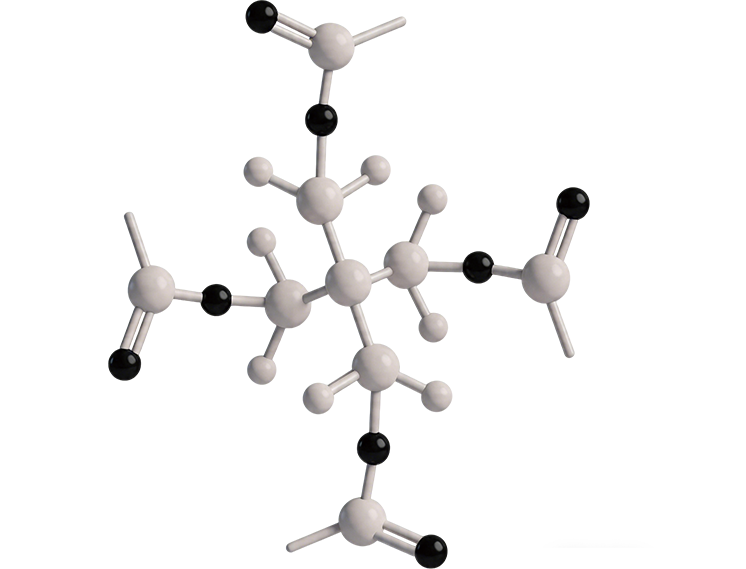
High-density oxidized polyethylene wax isbased on a polyethylene backbone containing controlled amounts of polarfunctional groups such as carboxyl and ester groups. This structure providesstrong metal-release characteristics while maintaining relatively stableinteraction with the PVC system.
Compared with lower-molecular-weightadditives such as EBS, effective lubrication therefore does not depend asheavily on continuous migration toward the finished product surface.
For transparent flexible PVC, low-viscositygrades are particularly suitable for this processing window. Their lower meltviscosity allows the oxidized wax to disperse and function effectively underthe relatively mild processing conditions of plasticized PVC, while retainingthe excellent anti-sticking and metal-release characteristics of high-densityoxidized polyethylene wax.
This difference is clearly visible intwo-roll processing evaluations.
In our internal comparative tests, someconventional lubricants begin to show roll sticking after several minutes ofcontinuous processing, while a properly selected low-viscosity high-density OPE wax can extend the non-sticking period to tens of minutes.
This indicates that the advantage is notsimply stronger initial lubrication. More importantly, a stable PVC/metalinterface can be maintained for a longer period under continued heat and shear.
For calendering operations, a longernon-sticking period means more stable roll release, lower risk of rollcontamination and less dependence on continuously increasing the dosage oflow-molecular-weight lubricants to maintain processing stability.
From “More Lubrication” to “More StableLubrication”
Lubrication in transparent flexible PVCinvolves two requirements that appear to work in opposite directions:
During processing, the lubricant shouldwork effectively to prevent roll sticking.
After processing, continued migration and surface blooming should be minimized.
Traditional EBS systems can perform thefirst function effectively, but long-term migration and surface stability maybecome increasingly sensitive as dosage increases.
The value of low-viscosity high-densityoxidized polyethylene wax lies in its ability to address both requirements moreeffectively.
For clear strip curtains, transparentsheets and flexible calendered films, when an existing formulation begins toshow roll contamination, oily migration, surface blooming, or requiresincreasingly high EBS dosage to maintain release performance, replacing orpartially replacing the conventional lubricant with a low-viscosity high-densityoxidized polyethylene wax can be a practical technical option.
OPE-256 is alow-viscosity high-density oxidized polyethylene wax developed for this type oftransparent flexible PVC processing. Its purpose is not simply to providestronger lubrication, but to achieve a more stable balance between roll release, transparency and long-term low migration.