

Higher output hasbecome a major trend in PVC-U pipe extrusion. However, as extrusion speedincreases, the processing window becomesnarrower—especially after the transition from traditional lead-basedstabilizers to Ca/Zn stabilization systems.
The challenge is no longer simply how toincrease output, but how to maintain sufficient PVC fusion, stable extrusion,effective metal release and low die build-up at a shorter residence time.
High-Speed Extrusion Changes theProcessing Balance
Since the mid-2010s, PVC-U pipe productionin China has gradually shifted toward higher-output extrusion.
On commonly used 65/132 conicaltwin-screw extruders, improvements in screw design, drive systems andprocessing control have significantly increased production capacity.
In one DN110 PVC-U drainage pipe line weworked with, a 4-meter pipe was produced in approximately 70 seconds.
Higher output, however, means lesseffective processing time inside the extruder.
PVC requires sufficient heat, shear andpressure to achieve proper gelation and fusion. When residence time becomesshorter, an overly lubricated formulation may delay fusion and reduce theeffective processing window.
The Shift to Ca/Zn Stabilizers AddedAnother Variable
The industry-wide transition fromlead-based stabilizers to lead-free Ca/Zn systems also changed the traditionallubrication balance.
Lead soaps historically contributed bothstabilization and lubrication. After moving to Ca/Zn systems, processors oftencompensated by adjusting metal soaps, paraffin-type lubricants orFischer-Tropsch waxes.
If external lubrication becomes too strong,the immediate result may appear positive—lower torque and easier flow—but PVCfusion can be delayed.
Under high-speed extrusion, this cancontribute to:
insufficient or less uniform fusion;
reduced consistency of mechanical properties;
migration and accumulation of stabilizer, filler and lubricant components at the die surface;
shorter continuous production cycles due to die build-up.
The objective, therefore, is not simply morelubrication or less lubrication.
It is to restore the balance between:
Fast Fusion → Stable Flow → EffectiveRelease → Low Die Build-Up
Production Trial with High-DensityOxidized Polyethylene Wax
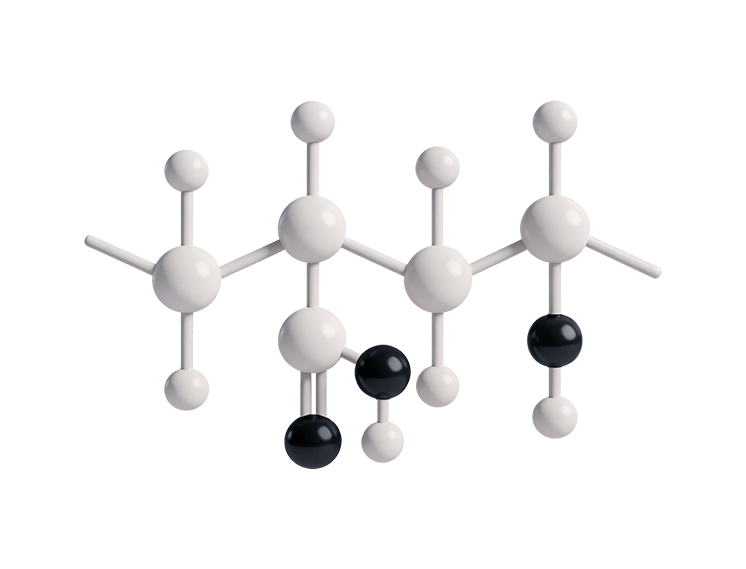
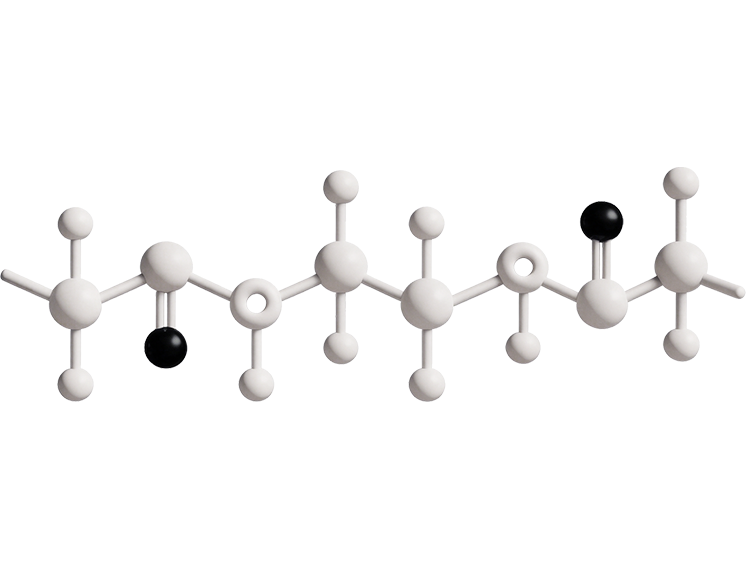
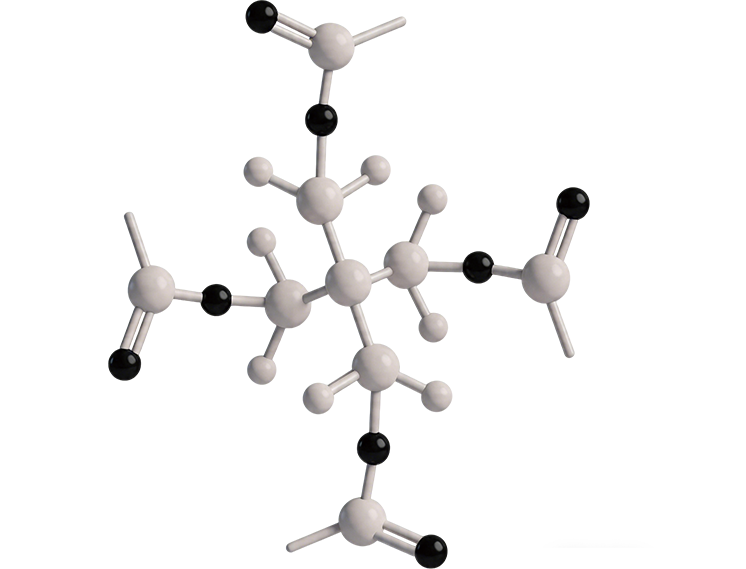
Based on this approach, we evaluated a high-densityoxidized polyethylene wax (OPE Wax) in an industrial PVC-U pipeformulation.
Production conditions
Product: DN110 PVC-U drainage pipe
Extruder: 65/132 conical twin-screw
CaCO₃ loading: approximately 20 phr
OPE Wax dosage: 0.05 phr
At an appropriate dosage, oxidizedpolyethylene wax does more than act as a conventional external lubricant.
Its combination of controlled polarity andlubrication can help improve the balance between PVC fusion and metal release,allowing the formulation to process more uniformly within a shorter extrusioncycle.
After approximately six months ofproduction monitoring, the normal die-cleaning interval increased fromapproximately:
20 Days → 25 Days
+25% Continuous Running Period
The 25-day interval was not considered thetechnical limit. It already met the production scheduling requirements of thecustomer, so no further extension was required during the trial.
Dosage Matters
Oxidized polyethylene wax should not simplybe added at higher levels.
Too little may provide limited improvement,while excessive addition can disturb the existing lubrication andthermal-stabilization balance.
The 0.05 phr dosage described abovewas effective under this specific formulation and processing condition.Different screw designs, stabilizer systems, filler levels and extrusionoutputs require separate optimization.
Rebuilding the Processing Window
High-speed PVC-U extrusion is not only anequipment upgrade. The formulation must evolve together with the processingconditions.
When residence time becomes shorter and thestabilizer system changes, the traditional lubrication strategy may no longerprovide the best result.
The key is to achieve sufficient PVC fusionwhile maintaining stable flow, effective release and low die build-up.
This processing concept is relevant notonly to conical twin-screw extrusion, but also to PVC-U production usingcounter-rotating parallel twin-screw extruders, where screw geometry andresidence-time characteristics require further formulation adjustment.